Most omnichannel strategies treat direct mail and digital as separate efforts.
Different teams. Different timelines. Different measurement frameworks.
But customer behavior doesn’t follow those boundaries.
Customers move fluidly between physical and digital experiences — receiving a mail piece, visiting a website later, clicking an ad days afterward, and converting through another channel entirely.
For advanced marketers, the opportunity isn’t to add more channels.
It’s to connect the ones already in place.
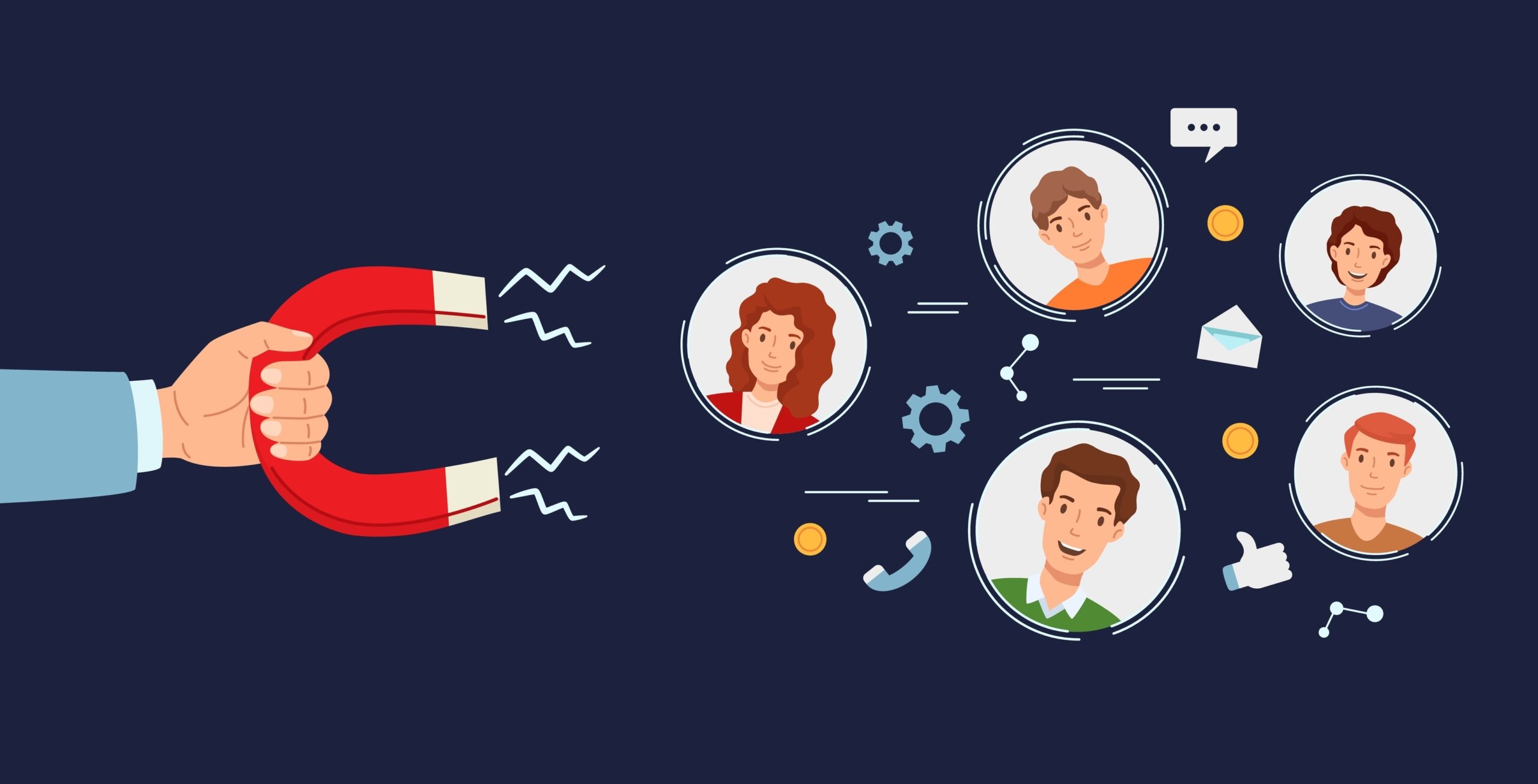
Direct mail becomes significantly more effective when it’s integrated into the digital funnel — not layered on top of it.
Why Direct Mail Belongs in the Middle of the Funnel
Direct mail is often positioned as a top-of-funnel acquisition tool or a last-touch reactivation tactic.
In practice, its strongest role is often mid-funnel.
At this stage, customers:
- Are aware of the brand
- Have engaged previously
- Are showing signs of slowing activity or indecision
Digital channels alone can struggle here. Engagement drops. Ads become less effective. Emails go unopened.
Direct mail works differently.
It reintroduces the brand in a physical, high-visibility format — creating a moment of attention that can re-engage customers and move them forward in the funnel.
Using Mail as a Reactivation Trigger
Mid-funnel reactivation is where integration becomes powerful.
Common use cases include:
- Customers who browsed but didn’t convert
- Lapsed or slowing repeat buyers
- Abandoned category engagement
- Loyalty members with declining activity
When triggered at the right moment, direct mail acts as a behavioral reset — prompting customers to re-engage digitally.
The key is timing. Mail must align with behavioral signals, not static schedules.
Mail-Triggered Digital Journeys
The most advanced programs don’t stop at sending mail — they use mail to activate coordinated digital experiences.
Examples include:
- Mail piece drives to a personalized landing page (via QR or URL)
- Follow-up email triggered after expected delivery window
- Paid media campaigns aligned with mailed audience segments
- Retargeting campaigns activated after mail engagement
This creates a connected journey where each channel reinforces the next.
Instead of competing for attention, channels work together to guide behavior.
Aligning Delivery Windows With Digital Campaigns
Integration depends on timing — and timing depends on delivery predictability.
To align mail with digital, marketers must account for:
- In-home delivery windows (not just mail drop dates)
- Response lag by audience segment
- Category-specific purchase timing
- Digital engagement patterns following delivery
For example:
- Email follow-ups can be timed to arrive shortly after mail is received
- Paid media can be intensified during expected response windows
- Website personalization can reflect mail-driven messaging
Without delivery alignment, integration becomes inconsistent and harder to measure.
Measuring Cross-Channel Lift
Integrated programs require a broader view of performance.
Rather than evaluating channels independently, advanced marketers measure how they work together.
Key indicators include:
- Increased website traffic from mailed audiences
- Higher conversion rates when mail and digital overlap
- Improved email engagement among mailed recipients
- Reduced cost per acquisition across channels
Incremental lift analysis is especially valuable — comparing behavior between mailed and non-mailed audiences to isolate impact.
This approach reveals how direct mail contributes beyond direct response.
Operational Considerations for Integration
While integration improves performance, it also introduces complexity.
Challenges include:
- Coordinating timelines across teams
- Aligning data between systems
- Managing audience consistency across channels
- Ensuring tracking mechanisms are properly implemented
Without structured workflows, integration can create additional work instead of reducing it.
Advanced programs solve this by building repeatable systems, not one-off campaigns.
Final Thought: Integration Should Simplify, Not Complicate
The goal of integrating direct mail into the digital funnel isn’t to add complexity — it’s to improve performance through coordination.
When mail is aligned with digital:
- Timing becomes more precise
- Messaging becomes more consistent
- Measurement becomes clearer
- Customer experience improves
Direct mail becomes more than a standalone channel.
It becomes a connector across the funnel.
Ready to Integrate Direct Mail Into Your Funnel?
PrintComm helps marketers integrate direct mail into omnichannel strategies — connecting data, production, delivery timing, and tracking into a streamlined system.
From mail-triggered digital journeys to cross-channel measurement and benchmarking, we help ensure your direct mail works as part of a cohesive performance strategy.
Contact PrintComm to integrate direct mail into your marketing funnel.